
 By Olivia Wilson Media Team
Every home depends on a good plumbing system. When something goes wrong with your pipes, drains, or water supply, it can cause a lot of stress — and cost a lot of money if you ignore it. The good news is that most plumbing problems are easy to spot early if you know what to look for.
Common plumbing issues affect millions of homes every year, from small drips that waste gallons of water to bigger pipe bursts that flood entire rooms. Whether you live in a new house or an older one, no home is completely safe from these kinds of problems.
This guide is written to help everyday homeowners understand what can go wrong with their plumbing, how serious each problem is, when to try fixing it yourself, and when to call a licensed plumber. We’ve reviewed top plumbing guides from around the world to make sure this article gives you more useful, clear, and honest information than anything else out there.
Let’s dive in and help you feel confident and prepared the next time water starts behaving badly in your home.
A dripping faucet might seem like a small annoyance, but it’s actually one of the most wasteful plumbing problems you can have. According to the U.S. Geological Survey, a faucet dripping once per second can waste more than 3,000 gallons of water every year.
The most common reason a faucet drips is a worn-out washer or O-ring inside the tap. Over time, these small rubber parts break down because of friction and water pressure. When they stop sealing properly, water leaks through even when the tap is turned off.
- Turn off the water supply under the sink
- Remove the faucet handle (usually one screw holds it in place)
- Replace the washer or O-ring
- Put everything back and test it
This is a beginner-level fix that most homeowners can do with basic tools. However, if the leak continues or the faucet itself is cracked, it’s time to call a plumber. Delaying a fix means your water bill keeps climbing and your tap gets harder to repair.
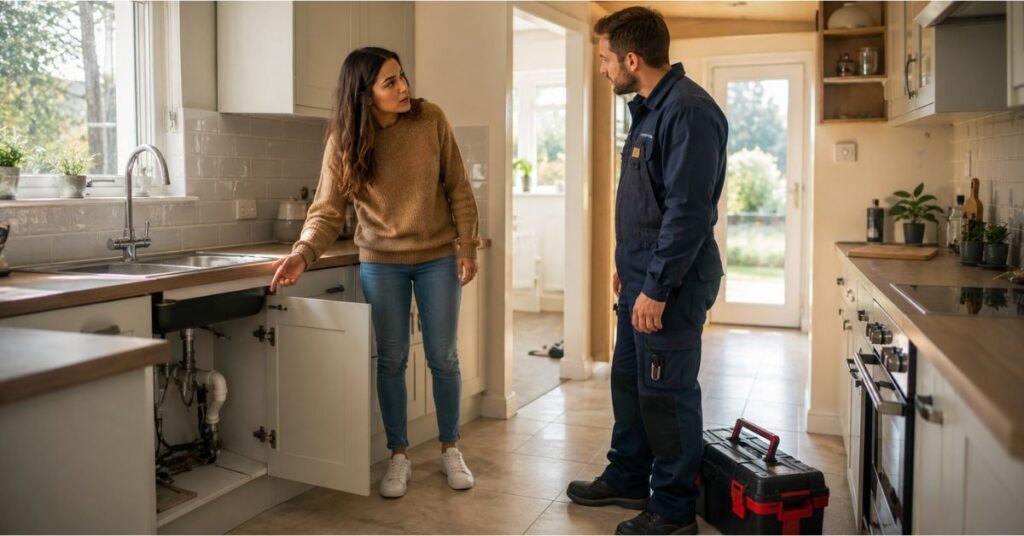
If water sits in your sink, shower, or bathtub for too long before draining, you probably have a clog building up inside your pipes. This is one of the most common plumbing issues people deal with on a regular basis.
- Hair and soap scum in bathroom drains
- Grease and food scraps in kitchen sinks
- Dirt and debris in outdoor drains
The first sign is slow drainage. Then comes bad smells. If left alone, the blockage can grow until the drain stops working completely.
- Use a drain snake or plunger for minor clogs
- Try a mixture of baking soda and white vinegar (leave it for 30 minutes, then flush with hot water)
- Use a drain strainer to catch hair and debris going forward
Avoid chemical drain cleaners. They can damage your pipes over time and are harmful to the environment. If your drain keeps blocking every few weeks, there may be a deeper issue like tree roots growing into your outdoor pipes, and a professional should inspect it.
A toilet that keeps running after you flush is not just noisy — it’s expensive. A running toilet can waste up to 200 gallons of water every single day. That’s nearly the same as taking 5–6 full baths daily without realizing it.
The usual cause is a faulty flapper valve inside the toilet tank. This small rubber flap is supposed to stop water from flowing from the tank into the bowl between flushes. When it wears out or bends out of shape, water leaks through constantly.
- Remove the toilet tank lid
- Look inside — if water is still running or the flapper looks bent or worn, that’s your problem
- A new flapper valve costs just a few dollars and snaps into place in minutes
Sometimes the float ball or fill valve is also faulty, causing the tank to overfill and drain. These parts are also easy to replace with a simple kit from any hardware store.
If you’re not sure which part is causing the issue, drop a few drops of food coloring into the tank. If color appears in the bowl without flushing, your flapper is definitely leaking.
Low water pressure is frustrating, especially during a shower or when you’re trying to rinse dishes quickly. The water just trickles out when it should flow strongly.
- A clogged aerator (the small screen at the tip of your faucet)
- Pipe corrosion narrowing the water flow
- A leak somewhere in your system
- Problems with the main water supply in your area
Unscrew the aerator from the faucet tip, soak it in white vinegar for a few hours to remove mineral buildup, then rinse and reattach it. This alone often solves the problem.
If low pressure affects every tap in the house at once, it could be a bigger issue with your main water line or with the pressure regulator valve. In that case, calling a licensed plumber is the right move.
Low water pressure is often an early sign of something more serious, so don’t ignore it for too long.
Leaking pipes are one of the more serious common plumbing issues that homeowners face. A small pipe leak hidden inside a wall or under the floor can cause major damage — rotting wood, growing mold, and weakening your home’s structure.
- Damp patches on walls or ceilings
- A musty smell in rooms with no obvious moisture source
- Unexpectedly high water bills
- The sound of running water when all taps are off
Some leaks are easy to find and fix. A cracked joint under the sink, for example, can often be tightened or sealed with plumber’s tape. But leaks inside walls or underground need professional help with proper leak detection equipment.
- Insulate pipes in cold areas to prevent freezing and cracking in winter
- Check under sinks every few months for signs of moisture
- Have a licensed plumber inspect your home’s pipework every 2–3 years
Ignoring a pipe leak is one of the most costly mistakes a homeowner can make. Early action saves thousands in repair bills.
Few things are more shocking than stepping into a cold shower because your hot water system has stopped working. Water heater problems are surprisingly common, especially in systems that are more than 10 years old.
- No hot water at all (could be a broken heating element or pilot light issue)
- Water that’s too hot or not hot enough (thermostat settings or faulty thermostat)
- Strange popping or rumbling sounds (mineral sediment building up inside the tank)
- Rusty or discolored water (corrosion inside the tank)
- Check and relight the pilot light on gas heaters
- Adjust the thermostat setting (ideal temperature is around 120°F / 49°C)
- Flush the tank to remove sediment once a year
Most water heater repairs beyond these basics should be left to a qualified professional, especially when dealing with gas lines or electrical components. Safety should always come first.
For more guidance, Energy.gov offers detailed and up-to-date tips on water heater maintenance and energy efficiency.
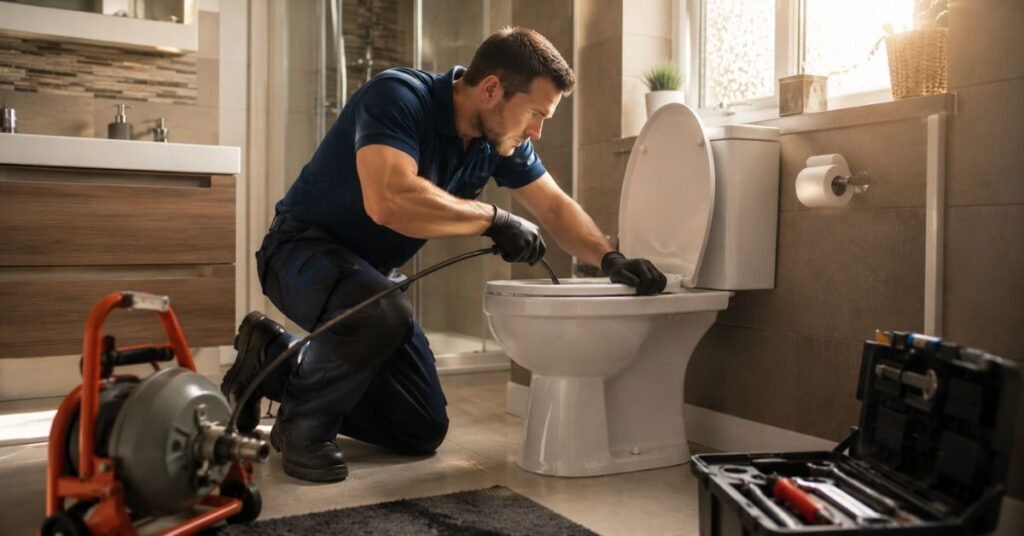
Most of us have dealt with a blocked toilet at some point. It’s embarrassing, messy, and urgent. In most cases, a good plunger can fix it quickly. But sometimes the blockage goes deeper.
- Too much toilet paper is used at once
- Non-flushable items go down (wipes, cotton balls, children’s toys)
- A partial blockage deeper in the drain pipe collects waste over time
- Use a flange plunger (the one with a rubber cup that extends from the bottom)
- Make sure there’s enough water in the bowl to cover the cup
- Push and pull firmly 10–15 times
- Flush to check if the water flows freely
If the toilet doesn’t clear after several attempts, use a toilet auger (also called a drain snake). This flexible tool reaches deeper into the drain to break up or pull out the blockage.
If you notice the toilet bubbling when you run the sink, or if multiple drains back up at once, this could signal a main sewer line blockage — a job for a professional plumber only.
A burst pipe is one of the most serious pipe problems a home can face. It can send gallons of water pouring into your walls, floors, and ceilings within minutes.
- Freezing temperatures causing water inside the pipe to expand
- Corrosion weakening old metal pipes
- High water pressure putting too much stress on joints
- Tree roots invading underground pipes
Turn off the main water supply straight away
Turn off your electricity if water is near any power outlets or electrical panels
Call a licensed plumber immediately
Document the damage with photos for your insurance claim
This is not a situation for DIY fixes. A burst pipe needs urgent professional repair to prevent lasting structural damage and mold growth. If your home is in a cold climate, wrap exposed pipes in insulation foam before winter arrives — prevention is always better than dealing with the aftermath.
Sewer line problems are less visible but often more expensive to fix. Your sewer line carries all wastewater from your home to the main city sewer. When it gets damaged or blocked, the results can be very unpleasant.
- Multiple drains backing up at the same time
- Gurgling sounds from toilets or drains
- Bad sewage smells inside or outside the home
- Patches of unusually green or wet grass in the yard (a possible sign of a leaking sewer line below)
- Tree roots growing into and cracking the pipe
- Old clay or cast iron pipes collapsing with age
- Grease buildup over many years
- Ground shifting after heavy rain or earthquakes
Sewer line inspection and repair requires special camera equipment and professional expertise. This is not a problem you can handle on your own. Always call a licensed plumber who can use a camera to see exactly what’s happening underground before starting any repair work.
Pipe corrosion happens slowly over many years and is often invisible until serious damage has already been done. Older homes built before the 1980s often have galvanized steel or copper pipes that are now at risk of corrosion.
- Reddish-brown or yellow water from taps
- A metallic taste in your drinking water
- Visible rust or greenish stains around pipe joints
- Frequent small leaks in the same area of the house
Corrosion is one of those common plumbing issues that many homeowners don’t notice until a pipe fails completely. Regular inspections are the best way to catch this problem early.
If your home has old galvanized pipes, it may be worth repiping the home with modern PEX or copper piping. While it’s a bigger upfront cost, it protects your home for decades and also improves water quality.
For health guidance on water quality and old pipes, the EPA’s drinking water standards page is a reliable and trusted source.
| Problem | Main Cause | DIY Fix Possible? | Urgency Level |
|---|---|---|---|
| Dripping faucet | Worn washer/O-ring | Yes | Low |
| Slow drain | Hair/grease buildup | Yes | Low–Medium |
| Running toilet | Faulty flapper valve | Yes | Medium |
| Low water pressure | Clogged aerator or leak | Sometimes | Medium |
| Leaking pipes | Corrosion or joint failure | Sometimes | High |
| Water heater failure | Sediment or broken element | Rarely | High |
| Toilet clog | Foreign objects | Yes | Medium |
| Burst pipe | Freezing or corrosion | No | Emergency |
| Sewer line blockage | Tree roots or collapse | No | Emergency |
| Pipe corrosion | Age and water chemistry | No | High |
| Situation | Best Action |
|---|---|
| Faucet dripping slowly | DIY — replace washer |
| Toilet running after flush | DIY — check flapper valve |
| Drain slow but not stopped | DIY — use plunger or baking soda method |
| Water pressure low in one tap | DIY — clean aerator |
| Pipe leaking inside wall | Call a plumber |
| Burst pipe with flooding | Call a plumber immediately |
| Sewer smell from multiple drains | Call a plumber |
| No hot water from heater | Call a plumber (gas/electrical safety) |
| Reddish or metallic tasting water | Call a plumber for pipe inspection |
| Multiple drains backing up at once | Call a plumber — possible sewer issue |
Check your water meter when no water is being used — if it’s still moving, you likely have a hidden leak somewhere in your system.
They may work short-term, but chemical cleaners can damage your pipes over time and are not eco-friendly — a plunger or plumber’s snake is a safer choice.
Gurgling usually means there’s a partial blockage or a venting issue in your drain system — if it happens often, have a plumber check your pipes.
Most experts recommend a professional plumbing inspection every 2 years, or immediately if you notice any warning signs like leaks, smells, or slow drains.
Sewer line replacement and whole-house repiping are typically the most expensive jobs, sometimes costing several thousand dollars depending on the size of the home and the extent of damage.
Taking care of your home’s plumbing doesn’t have to be overwhelming. Once you know what to look for, you can catch small problems before they turn into big, expensive repairs. From a dripping faucet to a clogged toilet, many minor issues are easy to fix yourself with a little patience and the right tools. But for anything involving hidden leaks, burst pipes, sewer lines, or water heaters, always bring in a licensed professional.
Common plumbing issues are something every homeowner will face eventually — but how you respond makes all the difference. Stay alert for warning signs like slow drains, unusual smells, high water bills, or discolored water. These are your home’s way of telling you something needs attention.
Don’t wait until a small drip becomes a flood. Inspect your plumbing regularly, fix small issues early, and never hesitate to call a professional when the job is beyond your skill level. A healthy plumbing system keeps your home safe, your water clean, and your bills under control.