
 By Olivia Wilson Media Team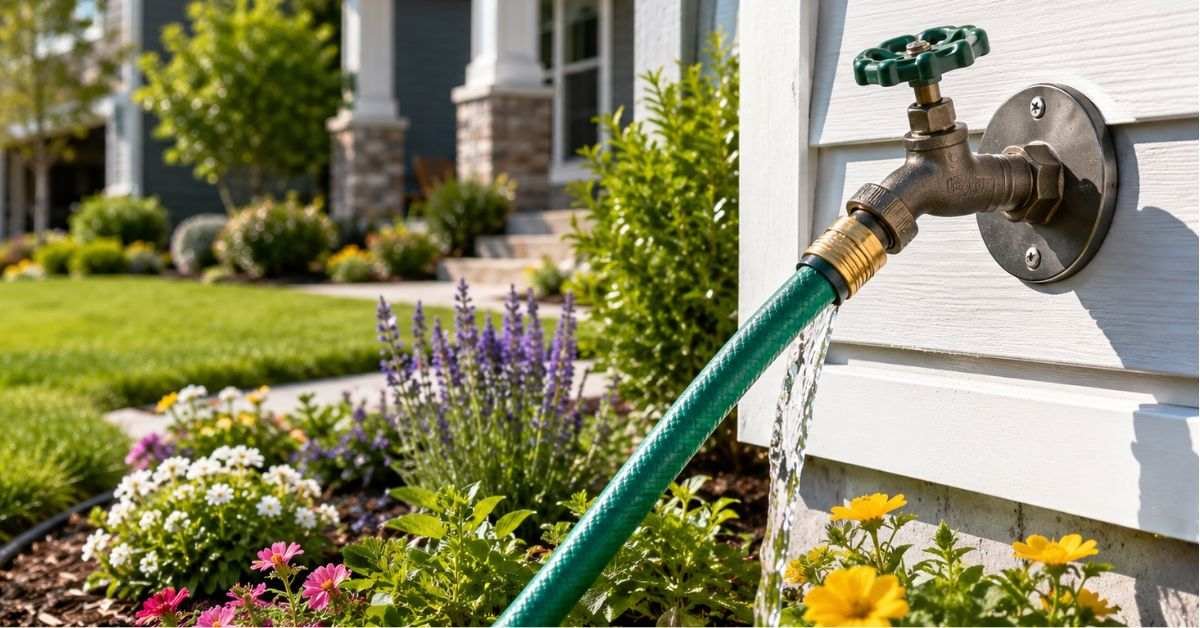
If you have ever watered your garden, washed your car in the driveway, or filled up a bucket outside your home, you have already used one of the most useful plumbing fixtures in any house. That small faucet on the outside wall of your home does a lot of work — but most people do not even know its name or how it actually works.
A hose bib is an outdoor water faucet that connects your home’s indoor plumbing to the outside world. It lets you attach a garden hose and use water wherever you need it outside. It sounds simple, and it is — but there is a lot more to know about it than most people think.
In this guide, we are going to walk you through everything you need to know. We will explain what this outdoor fixture is, how it works, the different types available, how to install or replace one, how to fix common problems, and how to take care of it properly through all four seasons. Whether you are a homeowner, a renter, or just curious, this article has everything you need to know — explained in plain, easy language.
A hose bib is simply an outdoor water spigot — a faucet mounted on the outside of your house that is connected to your home’s main water supply line. It usually has a threaded spout at the front where you can screw on a garden hose. You turn the handle or knob to control the water flow.
Most homes in the United States have at least one or two of these outdoor faucets. They are usually found on the side of a house, near the garage, or at the back of a building. They are made to handle outdoor conditions like rain, sunlight, and cold weather.
The main job of this outdoor faucet is to give you easy access to water outside your home without having to run a long hose from an indoor sink. Homeowners use it for watering plants, cleaning driveways, filling kiddie pools, washing pets, and many other everyday tasks.
The term “hose bib” comes from old plumbing language. The word “bib” refers to a type of valve used in plumbing that controls water flow. Over time, people started using the term to describe these outdoor faucets because of how they are shaped and how they work.
Not all outdoor water faucets are the same. They come in different styles and designs, each built for a specific purpose or climate. Here is a look at the most common types you will find:
This is the most basic type. It has a simple ball inside that opens and closes to control water flow. It is affordable and easy to find at any hardware store.
This is one of the most popular types used in colder parts of the country. Instead of stopping the water flow right at the spout, the valve is located further inside the wall where temperatures stay above freezing. This helps prevent the pipes from bursting during winter.
This type has a built-in safety feature that stops dirty water from being sucked back into your home’s clean water supply. It is required by law in many areas because it protects drinking water from contamination.
This style uses a simple quarter-turn of the handle to fully open or close the water flow. It is quick, easy to use, and great for high-traffic outdoor areas.
This type requires a special key to turn the water on or off. It is often used in public areas or rental properties to prevent unauthorized water use.
Knowing which type you have — or which type you need — can save you a lot of trouble in the long run.
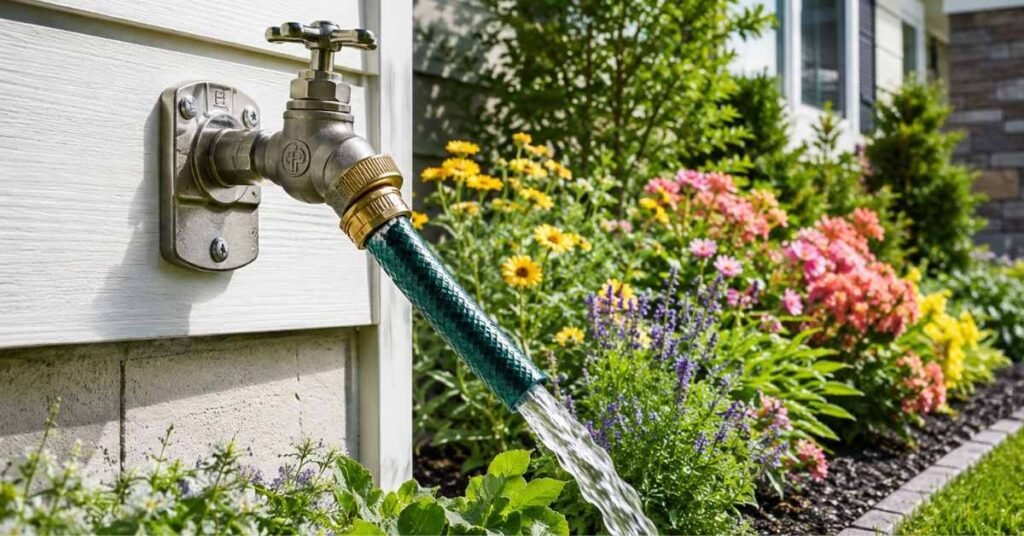
The inner workings of an outdoor water spigot are actually quite simple. When you turn the handle, it moves a stem inside the faucet. This stem either pushes a rubber washer or seal against a seat (which stops water flow) or pulls it away (which allows water to flow through).
In a frost-free model, the stem is much longer and extends deep into the wall. This means the actual stopping point for the water is located inside the warm part of the house, not at the cold outer wall. When the water shuts off, any water left in the pipe between the valve and the spout drains out automatically, so there is no water left to freeze.
Water travels from the main supply line, through your house’s internal pipes, and out to the outdoor faucet. The connection between the indoor pipes and the outdoor faucet is usually made with copper, PEX, or galvanized steel pipe.
Most outdoor faucets also have a small packing nut and a packing washer that creates a watertight seal around the stem. Over time, this packing can wear out and cause leaking around the handle — which is one of the most common repair jobs for this type of fixture.
Installing a new outdoor water faucet is a manageable DIY project for most homeowners who are comfortable with basic plumbing. Here is a simple step-by-step overview:
Find your main water shutoff valve and turn it off before you do anything else.
Pick a spot on an exterior wall that is close to an interior water pipe. Make sure the location is easy to access.
Use a drill and a long drill bit to create a hole through the exterior wall. The hole should be slightly larger than the pipe you are using.
Connect the new pipe from the interior water line to the location of your new faucet. Use proper fittings for the type of pipe you have (copper, PEX, etc.).
Mount the faucet to the exterior wall using screws. Make sure it is level and sealed properly to prevent water from getting behind the siding.
Turn the water back on and check all connections for any drips or leaks.
If you are not comfortable doing this yourself, it is always a good idea to hire a licensed plumber. According to the Environmental Protection Agency (EPA), fixing household leaks can save homeowners about 10% on their water bills — so proper installation matters.
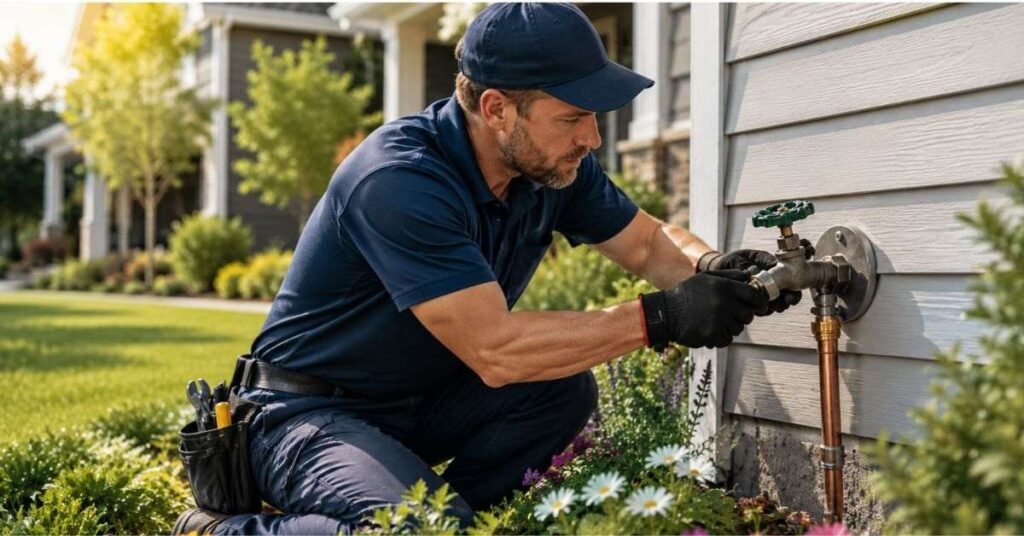
Even the best outdoor water faucets can develop problems over time. Here are some of the most common issues and what you can do about them:
This is usually caused by a worn-out rubber washer inside the faucet. You can fix this by turning off the water, disassembling the faucet, and replacing the washer. This is a simple and inexpensive repair.
If water leaks from around the handle when the faucet is turned on, the packing washer or packing nut is likely the problem. Tightening the packing nut or replacing the packing material usually fixes this.
If you turn on the faucet and nothing comes out, the shutoff valve inside might be closed, the pipe could be frozen, or there could be a blockage somewhere in the line.
In cold climates, water left inside the pipe can freeze and expand, causing the pipe to crack or burst. A frost-free model helps prevent this, but any outdoor faucet should be winterized before temperatures drop.
Hard water can leave calcium and mineral deposits inside the faucet over time. This can restrict water flow or cause the valve to stick. Soaking the affected parts in white vinegar can often dissolve the buildup.
Taking care of your outdoor water spigot before winter is one of the most important things you can do to protect your plumbing. Frozen pipes can burst and cause thousands of dollars in water damage.
Here is how to winterize your outdoor faucet properly:
Disconnect all garden hoses from the spout before the first freeze. Water trapped in a hose can freeze and push ice back into the faucet.
Find the indoor shutoff valve that controls your outdoor faucet and turn it off.
Open the outdoor faucet to release any remaining water pressure and let the last bit of water drain out.
Install a faucet cover — a foam insulating cap that fits over the faucet — for extra protection.
If you live in an area with extremely cold winters, consider having a licensed plumber install a frost-free model.
The University of Minnesota Extension recommends starting this process when temperatures are expected to stay below 32°F (0°C) consistently.
Choosing the right outdoor water spigot is more important than most people realize. The wrong choice can lead to problems like leaking, freezing, or even water contamination. Here are the key things to consider:
If you live in a region that gets cold winters, always choose a frost-free model. It will cost a little more upfront but will save you from expensive repairs later.
Make sure the faucet you choose is rated for the water pressure in your home’s plumbing system. Most residential systems run between 40 and 80 PSI.
Brass faucets are the most durable and long-lasting. They resist corrosion and handle temperature changes well. Plastic models are cheaper but do not last as long.
Look for a model with a built-in vacuum breaker or anti-siphon valve. This protects your drinking water from contamination — and it is required by plumbing codes in most states.
Most outdoor faucets in the United States use a standard ¾-inch thread size, which is compatible with most garden hoses and accessories.
Regular maintenance can extend the life of your outdoor plumbing fixture by many years. Here are some easy habits to follow:
- Inspect it twice a year — once in spring when you start using it again, and once in fall before winter hits.
- Check for drips or leaks every time you use it. A small drip can waste hundreds of gallons of water over time.
- Lubricate the handle with plumber’s grease once a year to keep it turning smoothly.
- Replace rubber washers and O-rings every few years before they wear out completely.
- Clean the aerator or screen at the end of the spout to remove any debris or mineral buildup.
- Tighten any loose mounting screws to keep the faucet securely attached to the wall.
Good maintenance habits not only save water but also save money. The EPA WaterSense program estimates that the average American household wastes nearly 10,000 gallons of water per year due to leaks. Keeping your outdoor faucet in good working order is one easy way to reduce that number.
| Type | Best For | Freeze Protection | Price Range |
|---|---|---|---|
| Standard Ball Valve | Mild climates | No | $10–$25 |
| Frost-Free / Freeze-Proof | Cold climates | Yes | $20–$60 |
| Anti-Siphon | Areas with irrigation systems | Varies | $15–$45 |
| Quarter-Turn | High-use outdoor areas | Varies | $15–$40 |
| Loose Key | Rental or public spaces | Varies | $25–$70 |
| Problem | Likely Cause | Simple Fix |
|---|---|---|
| Dripping spout | Worn rubber washer | Replace the washer |
| Leaking handle | Loose packing nut | Tighten or replace packing |
| No water flow | Closed valve or frozen pipe | Check shutoff valve or thaw pipe |
| Stiff handle | Mineral buildup or dry parts | Lubricate with plumber’s grease |
| Burst pipe | Frozen water inside the pipe | Install frost-free model; winterize |
While many outdoor faucet repairs are easy enough to handle yourself, there are situations where calling a licensed plumber is the smarter choice:
- If the pipe has burst due to freezing, you will need professional help to repair or replace the damaged section of pipe.
- If you need to move the faucet to a new location, this requires cutting and rerouting interior pipes, which is best left to a professional.
- If you see signs of water damage inside your walls — like damp drywall, peeling paint, or mold — a plumber needs to assess the situation right away.
- If water pressure drops suddenly throughout your home, this could indicate a serious problem with your main supply line.
- If you are upgrading your system to include multiple outdoor water access points, a plumber can help you design the layout properly.
Hiring a licensed plumber ensures the work is done correctly and up to local building code. Poorly done plumbing work can lead to water damage, mold, and expensive repairs down the road.
They are essentially the same thing — both refer to an outdoor water faucet. “Spigot” is the more common everyday term, while “hose bib” is the more technical plumbing term.
With proper care and maintenance, most outdoor water faucets last 20 years or more. Frost-free models may last even longer.
Yes, many homeowners can do this as a DIY project. However, if your pipes are hard to reach or if there is water damage involved, it is better to call a plumber.
A frost-free model has a longer stem than a standard faucet — usually 4 to 12 inches long. You can see this when you remove the handle and unscrew the stem.
If a new washer did not fix the drip, the valve seat inside may be damaged or corroded. This part can sometimes be repaired with a seat wrench, or the entire faucet may need to be replaced.
Taking care of the outdoor plumbing on your home does not have to be complicated. Whether you are installing a new fixture, fixing a small leak, or getting ready for winter, understanding how your hose bib works gives you the power to make smart decisions and avoid costly repairs.
We covered a lot of ground in this guide — from the different types available, to how they work, how to install and maintain them, and when to call in the pros. The key takeaway is simple: this small outdoor fixture plays a big role in your home’s overall plumbing system, and giving it a little attention goes a long way.
If you are not sure whether your current outdoor faucet is in good shape, take five minutes to go outside and inspect it today. Look for any drips, leaks, rust, or stiffness. If something does not look right, address it early before it becomes a bigger problem.