
 By Olivia Wilson Media Team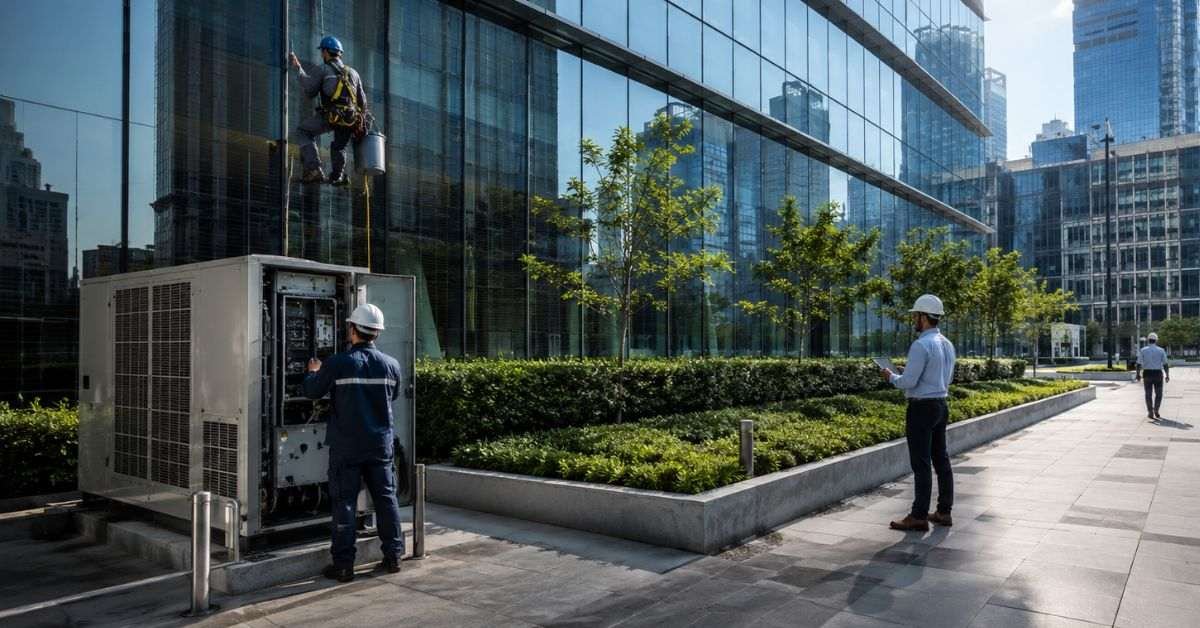
Every business owner knows that a well-kept building sends a strong message. When customers, employees, or partners walk into a property that looks clean, safe, and well-organized, they instantly feel more comfortable and confident. On the other hand, a building with broken lights, leaking roofs, or dirty floors can drive people away — and even lead to safety issues or legal problems.
Commercial building maintenance is the ongoing process of keeping a business property in its best possible condition. It covers everything from checking electrical systems and HVAC units to cleaning floors and painting walls. When done right, it protects your investment, keeps your team safe, and saves you money in the long run.
This guide has been carefully put together to help property owners, facility managers, and business operators understand every part of maintaining a commercial property in 2026. We’ve used the latest standards, real-world experience, and simple language so that anyone — even someone with no technical background — can follow along and take action.
Let’s get started.
Commercial building maintenance refers to all the regular tasks and inspections needed to keep a business facility functioning properly. This includes planned activities like seasonal HVAC checks, as well as urgent repairs like fixing a burst pipe or replacing broken windows.
Think of it like caring for your car. If you only fix things when they completely break down, repairs become expensive and inconvenient. But if you schedule oil changes, tire rotations, and regular inspections, your car lasts longer and performs better. The same idea applies to any commercial property.
There are three main types of property upkeep:
Scheduled tasks done to avoid future problems (e.g., cleaning gutters before the rainy season)
Fixing something that has already broken or failed
Using data and technology to predict when something might fail before it actually does
According to the U.S. General Services Administration, proactive maintenance programs can reduce long-term facility costs by up to 30% compared to reactive approaches. For any property owner, that’s a significant saving that can be reinvested into the business itself.
Not all parts of a building need the same level of care. Some systems are critical to safety and operations, while others affect comfort or appearance. Here are the most important areas to focus on:
Walls, ceilings, floors, roofs, and foundations should be checked for cracks, leaks, or signs of water damage at least twice a year.
Wiring, circuit breakers, lighting, and emergency systems need regular testing. Faulty electrical systems are one of the top causes of commercial fires in the U.S.
Pipes, drains, water heaters, and restrooms should be inspected regularly to avoid costly water damage.
Heating, ventilation, and air conditioning units are some of the most expensive parts of a building to replace. Regular filter changes, coil cleaning, and system checks extend their life significantly.
Any property with vertical transportation must comply with local inspection laws. Safety checks are usually required annually or semi-annually depending on the jurisdiction.
Sprinklers, smoke detectors, extinguishers, and emergency exits must all be tested and maintained according to OSHA and local fire codes.
Cracked pavement, poor drainage, or broken lighting in a parking area can be both a liability and a safety hazard.
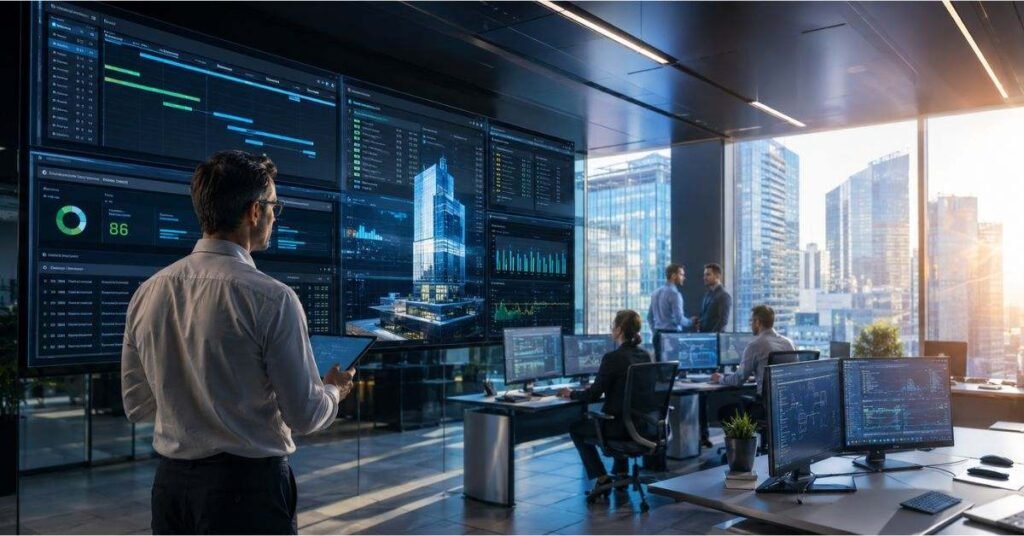
One of the biggest mistakes facility managers make is waiting for things to break before taking action. A proactive maintenance calendar helps you stay ahead of problems and manage your budget more predictably.
Here’s how to create one that actually works:
Walk through the entire building and make a list of every system and component. Include the age of the system, when it was last serviced, and its current condition.
Some tasks need to happen daily (like cleaning and security checks), others monthly (like pest inspections), and some annually (like roof inspections or fire drills).
Know who is responsible for each task. Is it your in-house team, a contracted service provider, or the building owner? Clear roles prevent things from being overlooked.
In 2026, many businesses use computerized maintenance management systems (CMMS) to track work orders, schedule tasks, and monitor performance. Tools like Fiix, UpKeep, or Limble CMMS are widely used and affordable.
Your schedule should be a living document. Review it at least twice a year and after any major repairs or renovations.
Different seasons bring different challenges. Here’s a breakdown of what to prioritize throughout the year:
- Inspect the roof for winter damage
- Clean gutters and downspouts
- Service HVAC units before summer heat
- Check windows and seals for air leaks
- Monitor cooling systems for efficiency
- Inspect parking lots for heat-related cracking
- Trim trees and landscaping around the building
- Test irrigation systems
- Prepare heating systems for winter
- Check insulation and weatherstripping
- Inspect fire suppression systems
- Service generators and backup power systems
- Monitor for ice buildup on roofs and walkways
- Protect outdoor pipes from freezing
- Inspect emergency lighting and heating systems
- Clear snow from exits and fire hydrants
Seasonal planning is one of the most cost-effective strategies in commercial building maintenance, as it helps you avoid emergency repairs during peak weather conditions.
Commercial properties are subject to strict safety laws and building codes. Ignoring them doesn’t just put people at risk — it can result in fines, lawsuits, or even closure of your business.
Key compliance areas include:
Buildings must be accessible to people with disabilities. This includes ramps, elevators, accessible restrooms, and parking spaces.
The Occupational Safety and Health Administration requires safe working conditions. This includes proper lighting, clear emergency exits, and safe equipment.
Every jurisdiction has fire safety requirements. Regular inspections by fire marshals may be required.
Many states now have energy efficiency standards for commercial properties, especially regarding lighting, insulation, and HVAC systems.
For the most current compliance requirements, always refer to your local government’s building department or the U.S. Department of Labor’s OSHA guidelines at osha.gov.
Failing to stay compliant is not just a legal risk — it also affects your reputation and your ability to attract tenants or customers.
One of the most common concerns property owners have is how much to spend on facility upkeep. There’s no single answer, but industry experts typically recommend budgeting 2–4% of the building’s total value per year for maintenance and repairs.
For example, if your building is worth $2 million, plan to spend between $40,000 and $80,000 annually on upkeep. This number may go up if the building is older or if it houses complex systems like data centers or clean rooms.
Here are a few smart cost-management strategies:
Negotiate contracts with vendors who can handle multiple services (HVAC, plumbing, and electrical) to reduce call-out fees
LED lighting, smart thermostats, and insulation upgrades reduce utility bills significantly
Simple tasks like filter replacements or light bulb changes don’t need a contractor every time
Use a spreadsheet or CMMS to monitor spending trends and identify where costs are rising
According to a report by the Building Owners and Managers Association (BOMA), buildings with structured maintenance programs have up to 25% lower operating costs compared to those without a clear plan.

Technology is changing the way facilities are managed — and in 2026, it’s more accessible than ever. Here’s how smart tools are making maintenance faster, smarter, and cheaper:
Smart sensors can monitor temperature, humidity, energy use, and equipment performance in real time. When something goes out of normal range, the system sends an alert before a problem becomes a breakdown.
Advanced software can analyze equipment data to predict when a machine is likely to fail, allowing you to schedule repairs at a convenient time instead of during a crisis.
Drones are now used to inspect rooftops, gutters, and hard-to-reach areas safely and efficiently — reducing the cost of inspection and improving safety for workers.
Facility teams can now create, assign, and track maintenance requests from their phones, improving response times and accountability.
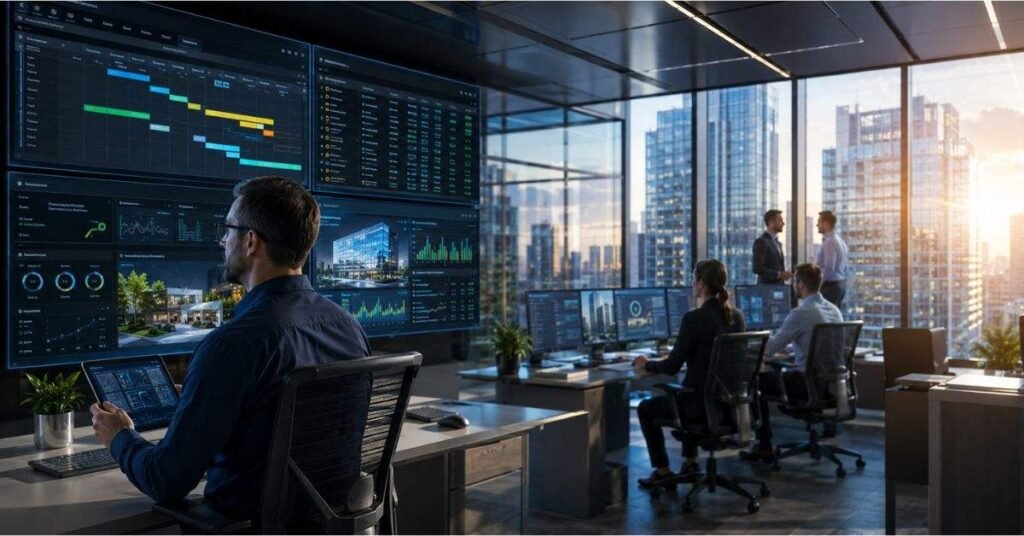
A digital twin is a virtual model of your building that lets you simulate maintenance scenarios, energy usage, and renovation plans before making real-world changes.
These tools are making commercial building maintenance smarter and more data-driven than ever before.
Whether you manage maintenance in-house or outsource it, choosing the right people matters. Here’s what to look for:
- Look for certified technicians in HVAC, electrical, and plumbing
- Provide regular training on safety protocols and updated building codes
- Make sure team members have clear job descriptions and performance metrics
- Check licenses, certifications, and insurance coverage
- Ask for references from similar commercial properties
- Review contracts carefully — understand what’s included and what’s not
- Look for providers who offer 24/7 emergency services
- How long have you worked on commercial properties?
- Do you carry general liability and workers’ compensation insurance?
- What is your average response time for emergency calls?
- Can you provide a detailed scope of work before starting?
A reliable facility management partner is one of the most valuable resources a property owner can have. Don’t just choose based on price — experience and reliability matter more in the long run.
Sustainability is no longer just a trend — it’s a business necessity in 2026. More tenants, customers, and investors are looking for properties that demonstrate environmental responsibility.
Here are some sustainable practices you can adopt:
LEDs use up to 80% less energy than traditional bulbs and last much longer
Low-flow toilets and sensor-based faucets can cut water usage by 30–50%
Many traditional cleaning chemicals are harmful to indoor air quality and the environment
Better insulation reduces heating and cooling loads, which lowers energy bills and carbon emissions
Recycling stations and composting programs are increasingly expected by both tenants and visitors
Programs like LEED (Leadership in Energy and Environmental Design) can increase property value and attract premium tenants
For more information on green building standards, visit the U.S. Green Building Council website.
Sustainable maintenance isn’t just good for the planet — it’s good for business.
Even with the best planning, emergencies happen. A broken water pipe, a power outage, or a roof collapse can disrupt operations and put people at risk. Here’s how to handle these situations effectively:
Before an emergency happens, create a written plan that includes contact numbers, escalation procedures, and shutdown protocols for critical systems.
Basic supplies like portable lighting, first aid kits, fire extinguishers, and backup generators should always be accessible.
Don’t search for a plumber or electrician during a crisis. Have pre-approved emergency contacts ready to deploy on short notice.
Use email, text alerts, or in-building PA systems to keep tenants and employees informed during an emergency.
Take photos, keep a written log of events, and file reports with your insurance provider as soon as possible after an incident.
After every emergency, review what happened, how it was handled, and what changes can prevent it in the future. This is a key part of good commercial building maintenance practice.
| Building System | Daily | Monthly | Quarterly | Annually |
|---|---|---|---|---|
| Cleaning & Sanitation | ✓ | |||
| HVAC Filters | ✓ | |||
| Plumbing Checks | ✓ | |||
| Electrical Inspections | ✓ | |||
| Roof Inspections | ✓ | |||
| Fire Safety Systems | ✓ | |||
| Elevator Certifications | ✓ | |||
| Exterior Inspections | ✓ |
| Building Type | Building Value | Estimated Annual Budget (2–4%) |
|---|---|---|
| Small Office (5,000 sq ft) | $500,000 | $10,000 – $20,000 |
| Mid-Size Retail Center | $1,500,000 | $30,000 – $60,000 |
| Large Office Complex | $5,000,000 | $100,000 – $200,000 |
| Industrial Warehouse | $2,000,000 | $40,000 – $80,000 |
| Mixed-Use Property | $3,500,000 | $70,000 – $140,000 |
Note: These figures are estimates and may vary based on building age, location, and system complexity.
Most systems should be inspected at least quarterly, with full building audits conducted once or twice a year depending on the property’s age and use.
Yes, for basic tasks like cleaning and minor repairs. However, licensed professionals are required for electrical, plumbing, fire systems, and elevator work.
Neglected properties are at higher risk of safety incidents, code violations, tenant complaints, and costly emergency repairs that could have been avoided.
The upfront cost may be slightly higher, but sustainable upgrades like LED lighting and efficient HVAC systems save significant money on utility bills over time.
A CMMS (Computerized Maintenance Management System) is software that helps you schedule, track, and manage maintenance tasks. It’s highly recommended for any property with more than 10,000 square feet or multiple systems to manage.

Keeping a commercial property in great shape is not just about appearances — it’s about safety, value, compliance, and smart business management. Throughout this guide, we’ve covered the most important aspects of commercial building maintenance, from building a seasonal schedule and staying code-compliant to using the latest technology and going green.
The key takeaway is simple: don’t wait for things to break. A proactive approach always costs less and causes fewer disruptions than reactive repairs. Whether you manage a small retail shop or a large corporate campus, the principles are the same — inspect regularly, fix problems early, train your team, and keep accurate records.
In 2026, the tools available to facility managers are better than ever. Smart sensors, AI predictions, and cloud-based management platforms make it easier than ever to stay on top of every system in your building.
Start by scheduling a full building audit this month. Review your current maintenance plan, identify any gaps, and put systems in place that will protect your property for years to come. If you need help, reach out to a certified facility management professional in your area.