
 By Olivia Wilson Media Team
Diamonds have fascinated people for thousands of years. They sparkle, they last forever, and they carry deep meaning in our lives. But today, with lab-grown diamonds becoming more popular and affordable, many people are asking a simple question: do real diamonds from the earth still hold their value and importance?
The answer is yes — and the reasons go much deeper than just how they look.
Why natural diamonds matter is not just about beauty or price. It is about history, science, emotion, rarity, and the real story of the earth itself. A natural diamond takes billions of years to form deep underground. No machine can truly copy that journey.
In this article, we will walk you through everything you need to know about natural diamonds in 2026 — from how they form, to what makes them rare, to how they compare to lab-grown options. Whether you are buying a diamond for the first time or simply curious about what makes them so special, this guide will give you clear, honest, and helpful answers.
Let’s explore the full story of natural diamonds together.
Natural diamonds are born in one of the most extreme places on Earth — deep underground, about 100 miles below the surface. This is called the mantle. Here, temperatures can reach over 2,000 degrees Fahrenheit, and the pressure is about 725,000 pounds per square inch.
Under these intense conditions, carbon atoms bond together in a special way to form diamond crystals. This process takes anywhere from 1 billion to 3.5 billion years. Yes, that is almost as old as the earth itself.
Once formed, diamonds travel to the surface through volcanic pipes called kimberlite pipes. These are narrow, carrot-shaped tunnels created by ancient volcanic eruptions. When the volcano erupts, it brings diamonds with it to the surface where miners can eventually find them.
This natural journey is what makes every diamond from the earth completely unique. No two natural diamonds are exactly alike. They each have their own tiny features, called inclusions, that formed during their long trip through the earth’s layers.
Scientists at the Gemological Institute of America (GIA) have studied natural diamonds for decades and confirm that this natural formation process creates a gem unlike anything else on the planet.
Rarity is one of the biggest reasons people value natural diamonds. Not every piece of ground contains diamonds. They are only found in specific locations around the world, including Russia, Botswana, Canada, Australia, and South Africa.
Even in these locations, finding a diamond is not easy. Mining companies must move millions of tons of rock and earth just to find a small number of gem-quality diamonds. In fact, for every one million parts of earth dug up, only about one part might be diamond.
On top of that, only a small percentage of the diamonds found are good enough to be used in jewelry. Many are used for industrial purposes like cutting tools.
This limited supply is what keeps natural diamonds valuable over time. Unlike products that can be manufactured in large quantities, natural diamonds cannot be mass-produced. The earth has a fixed supply of them. Once they are mined, they cannot be replaced.
Why natural diamonds matter in terms of rarity is simple: they are a true natural resource, just like gold or oil, but with an added layer of beauty and meaning.
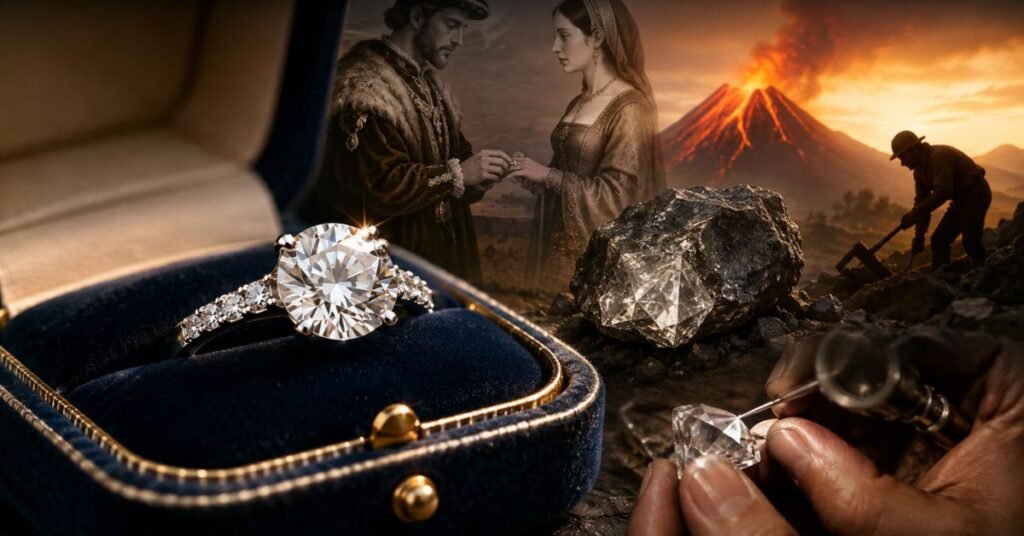
Diamonds have been symbols of love, commitment, and strength for centuries. The tradition of using a diamond ring for engagement dates back to 1477 when Archduke Maximilian of Austria gave one to Mary of Burgundy.
But beyond tradition, there is something emotionally powerful about knowing that a diamond took billions of years to form inside the earth, survived a volcanic eruption, was discovered by miners, cut by skilled craftspeople, and finally reached your finger.
That journey creates a deep emotional connection. When someone gives a natural diamond, they are giving something that no factory made. It is a piece of the earth’s history.
Many couples today still choose natural diamonds over lab-grown ones for this very reason. The sentimental value is simply higher. You are not just buying a stone — you are holding a piece of time itself.
This emotional meaning is one of the core answers to why natural diamonds matter in a world where technology can now create a similar-looking gem in a laboratory.
Lab-grown diamonds are real diamonds in terms of their chemical structure. They are made of carbon, just like natural ones. But the way they are made is completely different.
Lab-grown diamonds are created in a factory in just a few weeks using one of two methods: High Pressure High Temperature (HPHT) or Chemical Vapor Deposition (CVD). These processes are impressive, but they can be repeated over and over again, meaning supply is unlimited.
Here is a simple comparison:
| Feature | Natural Diamond | Lab-Grown Diamond |
|---|---|---|
| Formation Time | 1–3.5 Billion Years | 2–6 Weeks |
| Origin | Earth’s Mantle | Factory/Laboratory |
| Rarity | Very Rare | Unlimited Supply |
| Resale Value | Holds Value Over Time | Drops Quickly |
| Emotional Value | High (Earth’s History) | Moderate |
| Price (2026) | Higher | 60–80% Lower |
| Chemical Makeup | 100% Carbon | 100% Carbon |
| Uniqueness | Every Stone is Unique | Can be Replicated |
As you can see, both are made of the same material, but they are very different in terms of origin, rarity, and long-term value. The choice depends on what matters most to you.
One important question people ask is: can a diamond hold its value over time?
For natural diamonds, the answer is generally yes — especially for high-quality stones. Unlike lab-grown diamonds, which have seen their resale value drop significantly in recent years due to oversupply, natural diamonds tend to hold or even grow in value over decades.
Rare natural diamonds, such as colored diamonds or those above 2 carats with excellent clarity, have been sold at auction for millions of dollars. According to Forbes, fine jewelry and natural diamonds have become popular alternative investments for wealthy buyers looking beyond stocks and real estate.
| Diamond Type | Purchase Price | Resale Value After 5 Years | Value Retained |
|---|---|---|---|
| Natural Diamond (1 ct, excellent) | $8,000 | $5,500–$7,000 | 70–87% |
| Lab-Grown Diamond (1 ct, excellent) | $1,500 | $200–$400 | 13–27% |
| Natural Colored Diamond (1 ct) | $20,000+ | $18,000–$30,000+ | 90%+ |
These numbers show why many buyers still see natural diamonds as a wiser long-term choice when it comes to preserving value.
A common concern about natural diamonds is the environmental impact of mining. This is a fair concern, and the industry has worked hard to address it.
Today, many diamond mines follow strict environmental guidelines. Organizations like the Kimberley Process Certification Scheme work to ensure that diamonds are mined responsibly and do not fund conflict.
In 2026, many leading mining companies such as De Beers and Alrosa have published sustainability reports showing reduced carbon emissions, cleaner water use, and land restoration after mining is complete.
Lab-grown diamonds, on the other hand, use large amounts of electricity. Depending on the energy source, they can also have a significant carbon footprint.
There is no perfect answer here, but for buyers who want responsible sourcing, asking for certified diamonds and buying from reputable jewelers is the best step. Look for certifications from the GIA or the Responsible Jewellery Council.
Ethical sourcing is one more reason why natural diamonds matter — they now come with real accountability and transparency.
Diamonds are not just beautiful — they are scientifically remarkable. Here are some facts that make them stand out:
- Hardness: Diamonds are the hardest natural material on Earth, scoring 10 on the Mohs scale. Nothing natural can scratch a diamond except another diamond.
- Thermal Conductivity: Diamonds conduct heat better than any other natural material. This is why they feel cool to the touch.
- Light Refraction: Diamonds bend and reflect light in a way that creates their famous sparkle, called brilliance and fire.
- Durability: A well-cut diamond can last forever without wearing down.
These properties are the same in both natural and lab-grown diamonds. However, natural diamonds also contain tiny imperfections called inclusions that tell the story of their formation. Many gemologists consider these inclusions to be like fingerprints — unique markers that prove a diamond’s natural origin.
Natural diamonds also sometimes show features called strain patterns, which are not seen in lab-grown stones. These can be detected by expert gemologists using special equipment.
Throughout human history, diamonds have played a powerful role in culture, power, and prestige. Ancient Indians believed diamonds were created by lightning bolts striking the earth. Ancient Romans thought diamonds were fragments of falling stars.
Famous diamonds like the Koh-i-Noor, the Hope Diamond, and the Cullinan Diamond are not just gemstones — they are pieces of world history. They have traveled across empires, changed hands between royals, and shaped political relationships.
The cultural weight carried by natural diamonds simply cannot be replicated in a lab. You cannot grow a Hope Diamond in a factory. These stones carry centuries of human stories within them.
In many cultures around the world today — from India to the United States to Japan — diamond jewelry remains a core part of wedding traditions, milestone celebrations, and family heirlooms passed down through generations.
This deep cultural meaning is central to understanding why natural diamonds matter in both personal and historical contexts.
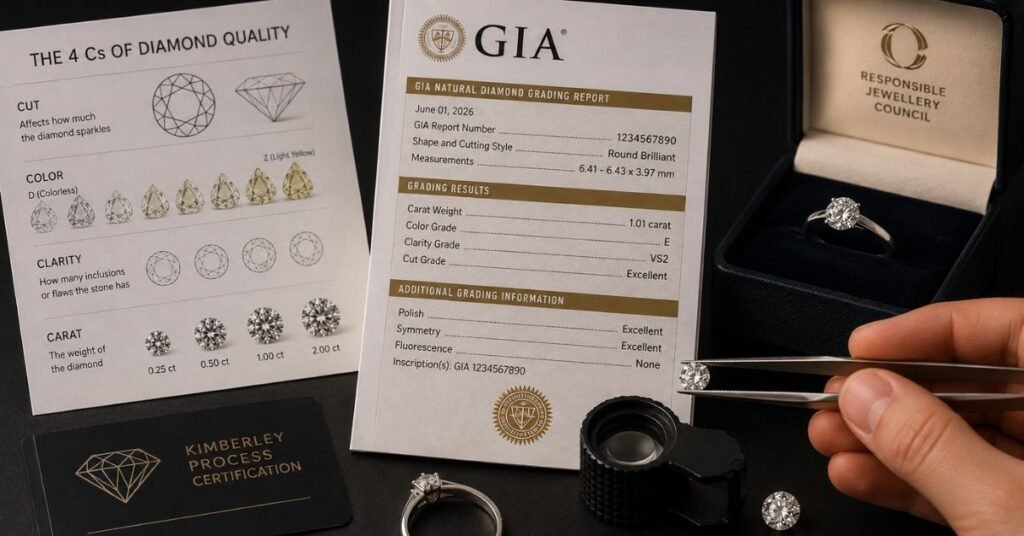
If you have decided to buy a natural diamond, here are some smart tips to help you choose wisely:
- Cut — This affects how much the diamond sparkles.
- Color — Ranges from D (colorless) to Z (light yellow).
- Clarity — How many inclusions or flaws the stone has.
- Carat — The weight of the diamond.
A certificate from a trusted lab like the GIA confirms the diamond’s quality and ensures you are getting what you pay for.
Look for jewelers who are members of the Responsible Jewellery Council or similar organizations.
Ask if the diamond comes with Kimberley Process certification.
Natural diamonds range widely in price. A beautiful 0.5-carat stone can be found for a reasonable price if you are flexible on color and clarity.
For more guidance, check our detailed guide on how to read a diamond certificate and what to look for when buying diamond jewelry.
As we move further into 2026, the diamond industry is changing fast. Lab-grown diamonds now make up a significant share of the market. Prices have dropped sharply, making them attractive for budget-conscious buyers.
But natural diamonds are not going away. In fact, many industry experts predict that as lab-grown diamonds become more common, natural ones will become even more prestigious and valuable. Scarcity drives demand, and earth-grown diamonds are becoming scarcer as older mines run dry.
New discoveries of diamond deposits are rare. There have been very few major new kimberlite discoveries in the past decade, meaning the global supply of natural diamonds is actually shrinking over time.
For collectors, investors, and those who value uniqueness and history, the appeal of a natural diamond will only grow stronger. Why natural diamonds matter will remain a relevant question for many years to come, and the answers will continue to evolve as the market changes.
The story of natural diamonds is far from over — it is just entering a new chapter.
| Category | Key Detail |
|---|---|
| Formation Time | 1 to 3.5 Billion Years |
| Formation Depth | ~100 Miles Below Earth’s Surface |
| Hardest Natural Material | Yes (Mohs Scale: 10/10) |
| Major Mining Countries | Russia, Botswana, Canada, South Africa |
| Global Supply Trend | Decreasing Over Time |
| Certification Authority | GIA, IGI, HRD |
| Ethical Standard | Kimberley Process, RJC |
| Best Investment Type | High Clarity, Rare Colors, >2 Carats |
It depends on your priorities. Natural diamonds offer rarity, emotional history, and better long-term resale value, while lab-grown diamonds are more affordable upfront.
High-quality natural diamonds, especially rare or colored ones, generally hold or increase in value over time, unlike lab-grown diamonds which have seen sharp value drops.
Only a certified gemologist with special equipment can tell the difference. Always ask for a GIA or IGI certificate when buying.
Modern mining has improved significantly. Many mines follow strict environmental standards, and organizations like the Responsible Jewellery Council ensure responsible practices.
The Kimberley Process is an international certification scheme that ensures diamonds are mined and traded without funding armed conflicts.
Natural diamonds are more than just pretty stones. They are billion-year-old pieces of the earth, created under impossible pressure, carrying emotional weight, cultural history, and real scientific wonder.
In 2026, as the diamond world continues to change, understanding why natural diamonds matter helps buyers make smarter, more meaningful choices. Whether you are buying for love, investment, tradition, or beauty — knowing the full story behind a natural diamond changes how you see it.
Lab-grown diamonds have their place, and they are a great option for many buyers. But they cannot replace the story, the rarity, or the deep meaning that comes from a stone born inside the earth over billions of years.
If you are ready to explore natural diamonds for yourself, start by visiting a trusted jeweler, asking for certified stones, and learning the 4 Cs. Take your time. The right diamond is out there — and it has been waiting a very, very long time for you.