
 By Olivia Wilson Media Team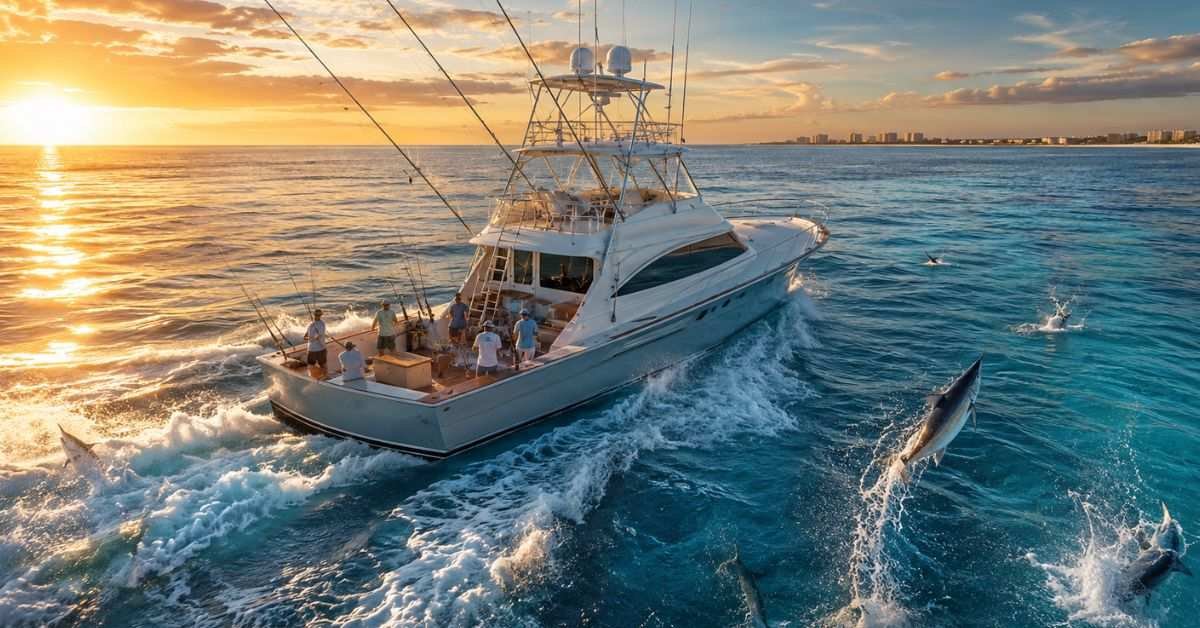
If you love fishing or want to try it for the first time, the Gulf Coast is one of the best places in the world to cast a line. The warm waters, rich marine life, and stunning views make it a paradise for anglers of all ages. Whether you are a seasoned fisherman or a curious beginner, knowing where to go, what to expect, and how to prepare can make all the difference between a good trip and a great one.
This is where the ThunderOnTheGulf Fishing Guide becomes your best resource. It brings together real experiences, expert tips, family-friendly advice, and honest information about fishing in the Gulf region. From choosing the right gear to understanding tidal patterns, from booking a charter boat to cooking your fresh catch — this guide covers everything.
In this article, we will walk you through every important detail about Gulf Coast fishing in 2026. You will learn about the best fish to target, the top seasons, safety tips, and much more. Everything is written in simple, easy-to-understand language so that anyone — including younger readers — can enjoy and benefit from it. Let’s dive in.
The Gulf of Mexico is one of the most productive fishing areas in North America. It stretches across five U.S. states — Florida, Alabama, Mississippi, Louisiana, and Texas — and offers an incredible variety of fish species. The water is warm, the ecosystem is rich, and the fishing opportunities are available year-round.
What makes this area stand out is the mix of inshore and offshore fishing. Inshore fishing happens closer to the shore, in bays, estuaries, and shallow flats. Offshore fishing takes you deeper into open water where bigger fish like tuna, marlin, and mahi-mahi swim freely.
The Gulf Coast also has a strong fishing culture. Local communities have been fishing these waters for generations, passing down knowledge about the best spots, techniques, and seasonal patterns. This tradition makes the experience feel authentic and deeply connected to the land and sea.
For families, the Gulf offers calm waters and kid-friendly fishing spots that are safe and enjoyable. For experienced anglers, it provides a real challenge with world-class game fish. The combination of accessibility, variety, and beauty is why so many people travel here specifically to fish.
The region also has excellent support services — charter boat companies, bait and tackle shops, fishing guides, and even fishing tournaments. All of these make it easy for visitors to jump right in and enjoy the experience.
The ThunderOnTheGulf Fishing Guide is more than just a name — it is a growing resource that helps anglers of all skill levels plan and enjoy their Gulf fishing adventures. It provides detailed articles, trip reports, gear recommendations, and local knowledge that you would normally only get from a seasoned guide.
What makes it different from other fishing resources is the personal touch. The content is based on real experiences, real trips, and real results. It does not just tell you where to fish — it tells you how to fish, why certain spots work better in different seasons, and what mistakes to avoid.
The platform also focuses heavily on family fishing. It understands that not everyone who visits the Gulf is a hardcore angler. Some people are parents who want a fun day out with their kids. Others are beginners who want to learn the basics before investing in expensive gear or charters.
By following the Fishing Guide, you get access to practical, up-to-date advice that saves you time, money, and frustration. You learn from others’ experiences so you do not have to make the same beginner mistakes.
In 2026, the platform continues to grow, adding new content about emerging fishing spots, updated fishing regulations, new gear reviews, and helpful tutorials. It is becoming one of the most trusted names in Gulf Coast fishing guidance.
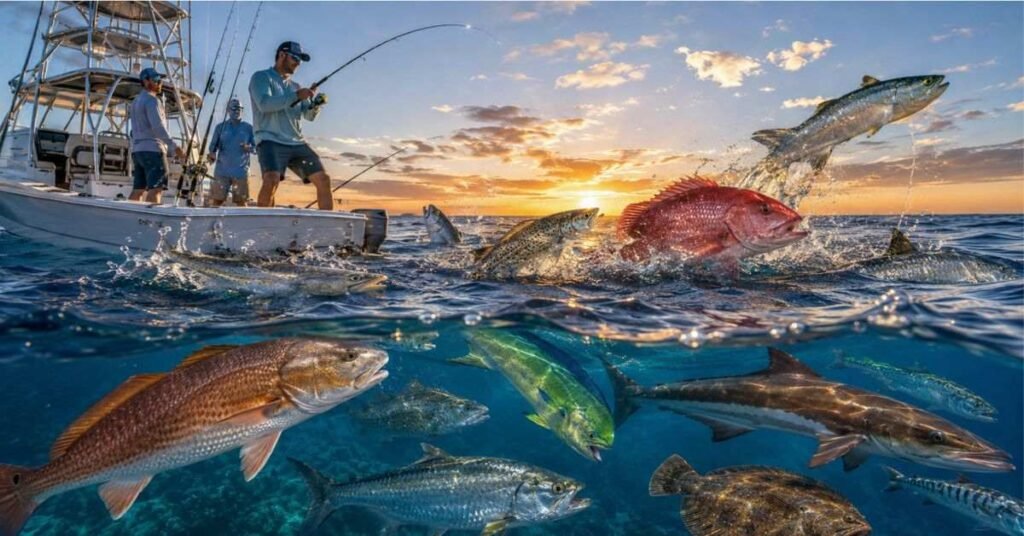
The Gulf of Mexico is home to hundreds of fish species, but some are more popular among recreational anglers than others. Here is a breakdown of the most sought-after catches:
A favorite among inshore anglers. They fight hard and taste great. Best caught in shallow grass flats and around oyster beds.
Another inshore classic. They are easy to target and perfect for beginner fishermen. Found in bays and estuaries year-round.
These flat fish hide on the sandy bottom and ambush their prey. They are great table fare and fun to catch.
Popular offshore species. Red snapper season is highly regulated, so check local rules before targeting them.
A powerful and fast fish that gives a great fight. Found near surface structures like buoys and oil rigs.
Colorful, fast, and delicious. Found in offshore blue water during warmer months.
Called the “Silver King,” tarpon are one of the most exciting game fish to catch. They jump dramatically when hooked.
An excellent offshore species that is easy to find and fun to reel in.
Each of these species requires different techniques, gear, and knowledge — which is why using a proper coastal fishing resource before your trip is so important.
Timing is everything when it comes to fishing. The Gulf Coast offers good fishing throughout the year, but certain seasons are better for specific species.
One of the best times to fish. Water temperatures rise, fish become more active, and species like cobia, Spanish mackerel, and tarpon start appearing. Inshore fishing is excellent during this time.
Peak season for offshore fishing. Mahi-mahi, tuna, and billfish are abundant. The water is warm and clear. However, afternoon thunderstorms can be a concern, so start your trips early in the morning.
Considered the best overall fishing season by many local guides. Redfish are in full swing, trout are active, and the cooler temperatures make fishing comfortable. This is also when fishing tournaments are most common.
Fishing slows down but does not stop. Sheepshead, black drum, and pompano are excellent winter targets. Water clarity is often at its best during this time.
Understanding the seasonal patterns can help you plan a more successful trip. Most experienced Gulf anglers will tell you that fall is the golden season — and the Fishing Guide ThunderOnTheGulf platform strongly supports this recommendation based on real trip data and local angler feedback.
Using the right equipment makes a huge difference in your fishing success. Here is a simple breakdown of what you need for different types of Gulf fishing:
- Rod: Medium-light to medium power spinning rod (7 feet)
- Reel: 2500–3000 size spinning reel
- Line: 10–20 lb braided line with fluorocarbon leader
- Lures: Soft plastics, topwater lures, and spoons
- Rod: Medium-heavy to heavy conventional rod (6–7 feet)
- Reel: Conventional or large spinning reel with high line capacity
- Line: 50–80 lb braided line
- Lures/Bait: Trolling lures, live bait, and jigs
- Rod: Lightweight all-purpose spinning rod (6 feet)
- Reel: Small to medium spinning reel
- Line: 8–12 lb monofilament
- Bait: Shrimp, cut bait, or small artificial lures
| Fishing Type | Rod Size | Reel Size | Line Strength | Best Bait/Lure |
|---|---|---|---|---|
| Inshore | 7 ft Medium | 2500–3000 | 10–20 lb Braid | Soft plastics, shrimp |
| Offshore | 6–7 ft Heavy | Large Conventional | 50–80 lb Braid | Live bait, trolling lures |
| Beginner/Family | 6 ft Light | Small Spinning | 8–12 lb Mono | Shrimp, cut bait |
| Pier/Shore | 9–10 ft Medium | 4000–5000 | 15–20 lb Mono | Squid, mullet, shrimp |
Following fishing regulations is not just the law — it is how we protect the Gulf’s fish population for future generations. Regulations change regularly, so always check the most current rules before your trip.
According to the National Oceanic and Atmospheric Administration (NOAA), the Gulf of Mexico has specific rules about:
How many fish of each species you can keep per day
Minimum and maximum size for fish you can legally keep
Certain species like red snapper have specific open seasons
Most states require a saltwater fishing license for anyone over 16
| Species | Minimum Size | Bag Limit (Per Person) | Season Notes |
|---|---|---|---|
| Red Snapper | 16 inches | 2 per day | Seasonal – check NOAA |
| Redfish | 18–27 inches (slot) | 3 per day | Open year-round (varies by state) |
| Speckled Trout | 14 inches | 10 per day | Varies by state |
| Flounder | 12 inches | 10 per day | Check state rules |
| Tarpon | Catch and release only | – | Must use a tag to keep |
Always verify current regulations with your state’s fish and wildlife agency. In Florida, visit the Florida Fish and Wildlife Conservation Commission for the most up-to-date rules.
Hiring a charter boat is one of the best ways to experience Gulf fishing, especially if you are new to it. Charter captains provide the boat, gear, bait, and knowledge — all you need to bring is yourself and a good attitude.
Here is how to choose the right charter:
Inshore, nearshore, or offshore? A half-day or full-day trip? These choices affect cost and experience level needed.
Look for charters with consistent 4–5 star reviews on Google, TripAdvisor, or fishing-specific platforms.
Before booking, ask the captain about fish species targeted, what is included, group size limits, and cancellation policies.
Make sure the captain holds a valid U.S. Coast Guard license (OUPV or Master) and carries proper insurance.
Inshore half-day charters typically range from $300–$600. Offshore full-day trips can cost $1,000–$2,500 or more depending on boat size and number of people.
Following the Fishing Guide approach to charter selection means doing your homework ahead of time and choosing based on experience, not just price. Many great charters fill up fast, especially during fall peak season, so book at least 4–6 weeks in advance.
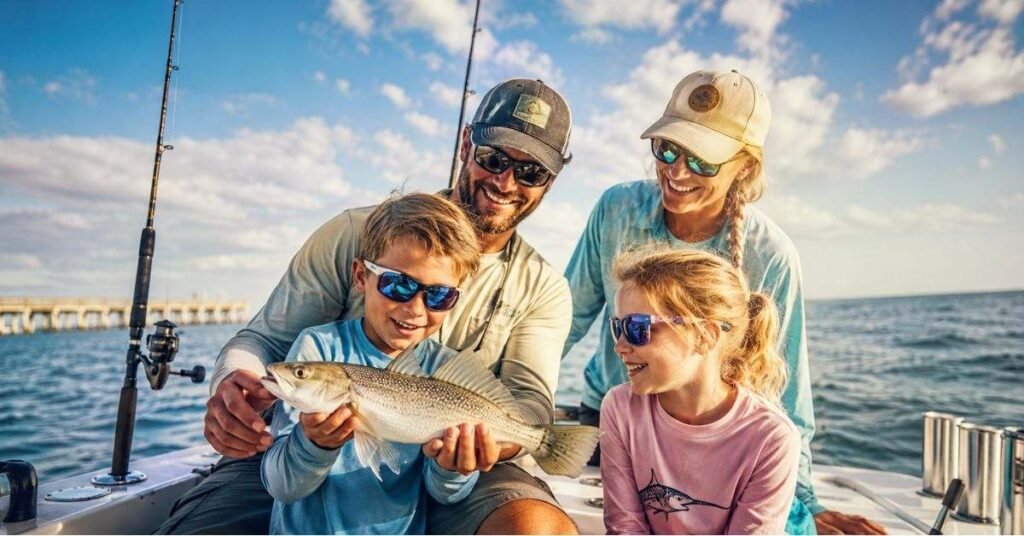
Fishing with kids and beginners requires a different mindset. The goal is to have fun first and catch fish second. Here are some tips to make a family fishing trip on the Gulf a great memory:
Begin with pier or shore fishing where kids can see action quickly. Catching small fish like pinfish or croakers keeps energy high.
Kids love watching live shrimp or small baitfish get attacked. It makes the experience exciting and visual.
Two to three hours is plenty for young children. Long trips can lead to boredom and frustration.
Bring sunscreen, snacks, water, hats, and light-colored clothing. The Gulf sun is very strong, especially in summer.
Show kids how to hold fish safely and how to release them gently back into the water.
Talk about the different fish species, the ecosystem, and why protecting the ocean matters. This builds lifelong respect for nature.
The Fishing Guide ThunderOnTheGulf places strong emphasis on family fishing because it believes that getting kids interested in fishing early creates better stewards of the marine environment. A great family trip today can inspire a passionate angler for life.
Safety on the water is just as important as catching fish. The Gulf of Mexico can be unpredictable, and every angler — beginner or expert — should know the basics of water safety.
Always check marine forecasts before heading out. Afternoon thunderstorms are common, especially in summer. The National Weather Service provides reliable marine forecasts.
Everyone on a boat should have a properly fitted life jacket. Children under 13 must wear one by law in most states.
Tell someone on shore where you are going, when you plan to return, and who is with you.
Required items include flares, a fire extinguisher, a sound device, and a first aid kit.
The sun and heat on the Gulf can cause dehydration quickly. Drink water regularly and take breaks in the shade.
Busy channels near popular fishing spots can have heavy boat traffic. Always be visible and aware of your surroundings.
Avoid disturbing nesting birds, sea turtles, or protected marine mammals. It is illegal and harmful to interfere with these animals.
Whether you are new or experienced, there is always something to learn. Here are practical tips to help you catch more fish and enjoy the sport more:
Fish are usually near structure — rocks, grass beds, oyster bars, drop-offs, and artificial reefs. Find structure, find fish.
Use lures and bait that match what the local fish are already eating. If shrimp are active, use shrimp. If mullet are running, use mullet as bait.
If fish are not biting, speed up or slow down your lure retrieval. Sometimes a simple change in speed triggers a strike.
Early morning and late afternoon are the most productive times. Fish are most active when light is low and water temperature is comfortable.
After each trip, write down what worked — the tide, time, location, lure color, and weather. Over time, you will notice patterns.
Experienced local fishermen are some of the best teachers. Observe what they use and how they fish.
Fishing is not always about catching. Some of the best moments happen while waiting — enjoying the sunrise, watching dolphins, or just being on the water.
The ThunderOnTheGulf Fishing Guide consistently emphasizes that patience and observation are two skills that separate average anglers from great ones.
Yes, most states require a valid saltwater fishing license for anyone 16 and older. You can usually buy one online from your state’s fish and wildlife agency.
Fall (September–November) is considered the best overall season, but spring and summer also offer excellent opportunities depending on your target species.
Absolutely. Pier fishing, inshore fishing, and guided charter trips are all beginner-friendly options that are safe and enjoyable for all ages.
Inshore half-day charters typically cost $300–$600, while offshore full-day trips can range from $1,000 to $2,500 or more depending on the boat and group size.
Yes, most Gulf species are safe and delicious to eat. However, always check local advisories for any fish consumption warnings in specific areas.
The Gulf Coast is one of the most exciting and rewarding places to fish in the entire world. From the shallow inshore flats to the deep blue offshore waters, there is something here for every type of angler. Whether you are planning your first family fishing trip or your fiftieth solo adventure, the right preparation always leads to a better experience.
Using trusted resources like the Fishing Guide ThunderOnTheGulf helps you make informed decisions about when to go, what to target, how to stay safe, and how to follow the rules. This kind of knowledge does not just improve your fishing — it helps protect the waters and fish populations for generations to come.
Start planning your Gulf fishing trip today. Research the best seasons, book a charter early, get your license, pack your gear, and head out to the water with confidence. The Gulf is waiting — and the fish are too.